

HabileData is a data entry outsourcing company based in India. This guide is based on our industry research and hands-on experience working alongside these vendors over the past 25 years. We are not included in the ranking below.
Contents
- How We Evaluated These Companies
- 10 Best Data Entry Outsourcing Companies in India: Independent Analysis
- Side-by-Side Comparison Matrix
- How Much Does Data Entry Outsourcing Cost in India?
- Is It Safe to Outsource Data Entry to India?
- Data Entry Outsourcing vs. In-House Team: Which Is Better?
- How to Choose the Right Data Entry Outsourcing Partner
- Data Entry Outsourcing Market Outlook
- Making Your Decision
Choosing a data entry outsourcing partner in India is a high-stakes decision. The wrong vendor can lead to corrupted databases, missed deadlines, and compliance violations.
Most “top companies” lists online are thinly disguised sales pages. They rank companies using vague criteria like “website credibility” or “Google rankings.”
This guide takes a different approach. We evaluate 10 data entry outsourcing companies using buyer-relevant criteria drawn from real project benchmarks.
Every comparison point reflects dimensions that actually affect your project outcomes – pricing transparency, turnaround speed, security certifications, and technology capabilities.
How We Evaluated These Companies
As a data entry outsourcing provider ourselves, we interact with many of these vendors in competitive scenarios. Clients frequently share comparative benchmarks during multi-vendor evaluations.
Our methodology draws from four distinct information sources to ensure balanced coverage.
- Industry benchmarks: We analyzed turnaround time and accuracy benchmarks from projects involving 10,000 to 500,000+ records across multiple verticals.
- Third-party review platforms: Clutch, G2, GoodFirms, and Glassdoor ratings provide independent validation of vendor quality and employee satisfaction.
- Public case studies and certifications: We verified each company’s claimed certifications, published case studies, and documented client outcomes.
- Client feedback from competitive evaluations: When prospects evaluate multiple vendors simultaneously, they often share how our competitors performed on pilot projects.
We assessed each vendor across six critical dimensions:
| Choose Background Removal | What It Measures |
|---|---|
| Minimum Project Size | Willingness to serve SMBs vs. enterprise-only engagements |
| Pricing Model | Per-keystroke, per-hour, per-record, or monthly retainer options |
| Turnaround Benchmarks | Typical delivery speed for a standard 50,000-record projec |
| Technology Stack | OCR tools, automation percentage, and QA methodology |
| Security Certifications | ISO 27001, SOC 2, HIPAA, GDPR compliance status |
| Geographic Delivery Model | Single-site vs. multi-site business continuity planning |
10 Best Data Entry Outsourcing Companies in India: Independent Analysis
1. WNS Global Services

WNS delivers enterprise-grade data entry solutions backed by 65 delivery centers worldwide. Their core strength lies in handling high-complexity, multi-language data processing at massive scale.
The company integrates AI-powered intelligent capture technology with human validation workflows. This hybrid model consistently achieves accuracy rates above 99% on structured data entry tasks.
WNS serves Fortune 500 clients across healthcare, financial services, retail, and travel. Their Gartner Magic Quadrant recognition for Customer Service BPO adds independent credibility.
Employee retention is a reliable proxy for service consistency. WNS maintains a 3.8/5 Glassdoor rating, suggesting stable teams and lower project disruption risk.
Strengths: Unmatched scale for enterprise-volume projects, strong compliance frameworks, and deep vertical expertise in regulated industries.
Limitations: Minimum engagement thresholds exclude small-to-mid projects. Pricing reflects premium positioning – not the right fit for cost-sensitive SMBs.
Best for: Enterprise clients processing 500,000+ records/month who need dedicated account management and regulatory compliance guarantees.
2. Infosys BPM

Infosys BPM brings the technological firepower of its parent organization to data entry operations. Their strength lies in combining OCR automation with machine learning models that improve accuracy over time.
The company’s document digitization services handle complex formats – handwritten forms, multi-column layouts, and legacy paper records. Clients benefit from a mature project management framework refined over two decades.
Infosys BPM maintains a 3.9/5 Glassdoor rating and a 4.1/5 on AmbitionBox. These scores indicate employee satisfaction levels that correlate with consistent output quality.
Their global delivery footprint spans 56 countries. This geographic spread enables follow-the-sun operations and built-in business continuity planning.
Strengths: Advanced automation capabilities, extensive multi-format processing expertise, and strong R&D investment in AI-enhanced data entry.
Limitations: Complex procurement process with long sales cycles. Projects under $50,000 may not receive priority attention.
Best for: Large enterprises needing AI-augmented data processing with global delivery capabilities and formal SLA frameworks.
3. Hitech BPO

Hitech BPO is one of the longest-standing BPO companies in India, operating continuously since 1992. With over 30 years in the industry, they have completed 3,100+ projects for 2,500+ clients across 50+ countries.
Their data entry services cover automated and manual data capture across multilingual formats. The company processes 25 million transactions annually, maintaining a 99% accuracy benchmark across high-volume engagements.
Hitech BPO operates delivery centers in India, the USA, and the UK. This multi-geography model provides time-zone coverage and built-in business continuity for clients requiring uninterrupted operations.
The company has expanded beyond traditional data entry into AI data services, data annotation, and real estate data solutions. Their Glassdoor rating of 4.2/5 is among the highest on this list, reflecting strong employee satisfaction and retention.
Hitech BPO is ranked among top BPO companies by Dun & Bradstreet. Their service portfolio spans data entry, data cleansing, data collection, photo editing, ecommerce catalog management, and AI-related data services.
Strengths: 30+ years of operational history, multi-country delivery model, broad service portfolio spanning data entry through AI services, and strong employee satisfaction scores.
Limitations: Mid-sized workforce compared to enterprise giants like WNS and Infosys. Brand recognition is stronger in specialized verticals (real estate, ecommerce) than in general enterprise BPO.
Best for: Mid-to-large businesses needing a versatile data services partner with deep domain expertise in real estate, ecommerce, and AI data operations.
4. Acelerar Technologies

Acelerar positions itself as the high-value, rapid-deployment option in the Indian data entry market. Their pricing starts at $6/hour, making them one of the most cost-accessible vendors on this list.
The company reports a 97% customer satisfaction score and claims team deployment within 7 days. Speed of onboarding is a genuine differentiator for businesses with urgent project timelines.
Acelerar serves clients across real estate, banking, logistics, and ecommerce verticals. Their service portfolio extends beyond data entry into creative design and catalog management.
Clutch recognizes Acelerar as a leading outsourcing provider. Employee ratings average 3.5/5 on job review platforms, reflecting a stable working environment.
Strengths: Aggressive pricing, rapid team deployment, and broad service portfolio that can handle adjacent outsourcing needs.
Limitations: Not yet at the maturity level of 20+ year operators. Limited publicly available case studies with quantified outcomes.
Best for: Cost-conscious SMBs and startups needing fast onboarding with budget-friendly pricing under $10/hour.
5. Trupp Global

Trupp Global is the newest entrant on this list, but their growth trajectory is notable. In just six years of operation, they report 500+ clients across 20+ countries with a 95% client retention rate.
The company claims a 99.5% accuracy rate in data entry operations. Their focus on startups and SMBs fills a market gap that enterprise-focused providers typically ignore.
Trupp’s ecommerce management services have reportedly helped clients achieve an average 30% increase in sales through optimized product listings. This cross-functional capability adds value beyond pure data entry.
Their Glassdoor rating of 4.2/5 is among the highest on this list. ISO 27001:2013 certification addresses baseline data security requirements.
Strengths: Strong SMB focus, high employee satisfaction, ISO certification, and cross-functional ecommerce capabilities.
Limitations: Relatively short operating history. Enterprise clients may need more established track records before committing large-volume projects.
Best for: Startups and growing ecommerce businesses needing accurate data entry combined with product listing optimization.
6. Data Entry Outsourced (DEO)

Data Entry Outsourced has carved a niche as a pure-play data entry specialist. Unlike diversified BPO companies, DEO focuses exclusively on data entry, conversion, and processing.
Their Clutch profile shows continuous client engagements dating back to 2013. This sustained relationship pattern indicates delivery reliability over multi-year timelines.
The company’s management structure includes dedicated SMEs and multi-tier quality managers. This layered review process reduces error rates on complex data processing projects.
DEO serves clients from startups to multinational enterprises. Their focused service model avoids the distraction of trying to be everything to everyone.
Strengths: Deep specialization in data entry, proven multi-year client relationships, and structured quality management hierarchy.
Limitations: Narrower service portfolio may not suit clients seeking a single vendor for multiple BPO functions.
Best for: Organizations wanting a dedicated data entry specialist – not a generalist BPO – with demonstrated long-term reliability.
7. OBI Services

OBI Services focuses on data management, administrative outsourcing, and back-office support. Their Clutch reviews consistently highlight attention to detail and accuracy improvements.
Approximately 90% of OBI’s reviewers on Clutch commend their project management capabilities. Clients report timely delivery and proactive communication as consistent strengths.
The company’s smaller scale is actually an advantage for clients who need personalized attention. Dedicated project managers handle each engagement rather than distributing work across anonymous teams.
OBI’s specialization in data accuracy and processing error reduction makes them valuable for businesses where data integrity directly impacts operations.
Strengths: High client satisfaction scores, strong project management, and personalized service from a lean team.
Limitations: Limited scale for very large projects exceeding 1M records/month. Less suitable for clients needing 24/7 coverage across time zones.
Best for: Small-to-mid businesses needing accurate, well-managed data entry with direct access to project leads.
8. TECHSPEED INC

TECHSPEED INC operates as a BPO company with core expertise in back-office services and administrative support, including data entry. Their two decades of operation signal market staying power.
The company has completed projects across multiple countries, demonstrating the ability to handle cross-border data processing requirements.
TECHSPEED’s positioning as a back-office specialist means they understand the downstream impact of data entry quality on broader business processes.
Their service model integrates data entry with related administrative functions. This bundled approach can reduce vendor management complexity for clients with multi-function outsourcing needs.
Strengths: Established 20-year track record, cross-border project experience, and integrated back-office service delivery.
Limitations: Less specialized in data entry compared to pure-play providers. Limited public review volume on third-party platforms.
Best for: Organizations seeking a combined data entry and back-office outsourcing partner with established operational maturity.
9. Uniquesdata

Uniquesdata positions itself explicitly around transforming data into business value. With 14+ years of focused experience in data entry and management, they bring deep domain knowledge.
Their service philosophy centers on data digitization as a business asset – not just a clerical task. This mindset often translates to better quality output because operators understand the downstream use of their work.
The company serves clients who need both standard data entry and more complex data management workflows. This dual capability bridges the gap between basic entry and analytical data processing.
Uniquesdata’s longevity in a competitive market indicates reliable delivery and strong client relationships.
Strengths: Data-value-oriented approach, strong digitization expertise, and 14+ years of focused market presence.
Limitations: Smaller brand presence compared to enterprise BPO firms. Limited publicly documented case studies with measurable outcomes.
Best for: Businesses seeking a partner that approaches data entry as a strategic function rather than a commodity service.
10. Data Entry India (DEI)

Data Entry India is among the longest-operating pure-play data entry providers. Their 20+ year track record spans clientele across 51 countries, demonstrating genuine global delivery capability.
The company specializes in converting large volumes of paper and image-based documents into electronic data. This expertise in legacy document processing fills a specific market need.
DEI’s flexible pricing models include per-record, per-hour, per-month, and per-keystroke options. This breadth of pricing structures makes them accessible to projects of almost any size.
Their scalability in project management allows them to handle both small batches and enterprise-volume conversions with consistent quality standards.
Strengths: 20+ years of specialization, 51-country clientele, and flexible pricing models for diverse project structures.
Limitations: Primarily focused on document-to-digital conversion. Not the strongest option for data validation or enrichment tasks.
Best for: Organizations with large legacy document digitization needs requiring flexible pricing and proven global delivery experience.
Side-by-Side Comparison Matrix
| Company | Founded | Team Size | Min. Project | Pricing Model | Best Suited For |
|---|---|---|---|---|---|
| WNS Global | 1996 | 10,000+ | Enterprise | Custom/Retainer | Enterprise, 500K+ records/month |
| Infosys BPM | 2002 | 10,000+ | $50,000+ | Custom/Retainer | Large enterprises, AI processing |
| Hitech BPO | 1992 | 1,100+ | Flexible | Per-hour, project, FTE | Mid-large, real estate, ecommerce, AI |
| Acelerar | 2010 | 250–500 | $6/hr start | Per-hour, record | Cost-conscious SMBs |
| Trupp Global | 2017 | 250–999 | SMB-friendly | Per-hour, FTE | Startups, ecommerce |
| DEO | 2013 | 100–500 | Flexible | Per-record, hour | Pure-play specialization |
| OBI Services | 2015 | 50–200 | Small OK | Per-hour, project | Small biz, accuracy focus |
| TECHSPEED | 2005 | 200+ | Moderate | Per-hour, project | Combined back-office |
| Uniquedata | 2010 | 100–300 | Flexible | Per-record, hour | Strategic data mgmt |
| Data Entry India | 2003 | 200+ | Flexible | All models | Legacy digitization |
How Much Does Data Entry Outsourcing Cost in India?
Pricing is the most requested – yet most opaque – dimension of data entry outsourcing. Here are the actual pricing benchmarks we see in the market.
Pricing by Engagement Model
| Pricing Model | Typical Range (India) | Best For |
|---|---|---|
| Per-hour | $4–$15/hour | Variable-scope projects, ad hoc tasks |
| Per-record | $0.02–$0.20/record | High-volume structured data (forms, invoices) |
| Per-keystroke | $0.01–$0.03/keystroke | Character-level capture from physical docs |
| Monthly FTE | $650–$1,500/month | Dedicated long-term team members |
| Fixed project | Custom | Well-defined scope with clear deliverables |
Pricing by Project Complexity
| Complexity Tier | Description | Est. Cost per 10,000 Records |
|---|---|---|
| Basic | Single-language, structured forms, typed text | $200–$400 |
| Moderate | Multi-field forms, mixed formats, some handwritten | $400–$800 |
| Complex | Multilingual, handwritten, legacy, validation req. | $800–$2,000 |
These ranges reflect 2025–2026 market rates. Actual costs vary based on volume commitments, turnaround requirements, and accuracy SLAs.
The largest cost variable is not the hourly rate. It is rework cost from accuracy failures. A vendor charging $4/hour with 95% accuracy often costs more than one charging $8/hour with 99.5% accuracy.
Is It Safe to Outsource Data Entry to India?
Data security is the most common concern for first-time outsourcing buyers. Here is a framework for evaluating vendor security readiness.
Certifications to Verify
ISO 27001 certification confirms that the vendor maintains a structured information security management system. This is the baseline standard – any serious vendor should have it.
SOC 2 Type II certification is stronger. It demonstrates that security controls have been audited and verified over a sustained period.
HIPAA compliance is essential if you handle protected health information. Not all Indian vendors carry this certification.
Operational Security Measures to Assess
Evaluate whether the vendor uses encrypted file transfer protocols (SFTP, HTTPS) for all data transmission. Unencrypted FTP transfers remain common among smaller providers.
Ask about physical security at their delivery centers. Restricted access zones, no-phone policies, and biometric entry controls reduce unauthorized data exposure.
Verify their disaster recovery and business continuity plans. Multi-site delivery models provide inherent redundancy compared to single-office operations.
Contractual Protections to Include
Non-disclosure agreements (NDAs) should be signed before any data sharing begins. Insist on mutual NDAs that bind both parties.
Data retention and destruction policies should specify exactly how long your data is stored and how it is purged after project completion.
India’s Digital Personal Data Protection (DPDP) Act is entering full enforcement by November 2026. Verify that your vendor’s practices align with this regulation.
Data Entry Outsourcing vs. In-House Team: Which Is Better?
This is not a binary decision. The right answer depends on your data volume, complexity, and strategic priorities.
When Outsourcing Makes Sense
Outsourcing delivers clear advantages when your data volumes fluctuate seasonally. Building an in-house team for peak demand means carrying excess cost during slow periods.
Projects involving one-time legacy document digitization are ideal for outsourcing. Hiring permanent staff for a temporary need creates unnecessary overhead.
If your data entry work requires multiple languages or specialized formats, outsourcing vendors with trained multilingual teams offer capabilities most in-house teams cannot match.
When In-House Teams Win
Highly sensitive data – trade secrets, classified information, or data subject to strict regulatory custody chains – may warrant keeping operations in-house.
When data entry is deeply integrated with core business processes requiring real-time collaboration, the communication overhead of outsourcing may reduce efficiency.
Organizations with stable, predictable data volumes above 50 FTEs may achieve cost parity through direct hiring in India using Employer of Record arrangements.
Cost Comparison
| Cost Factor | In-House (US) | In-House (India via EOR) | Outsourced (India) |
|---|---|---|---|
| Avg. hourly cost | $25–$40/hr | $8–$15/hr | $4–$15/hr |
| Hiring & training | $3,000–$5,000/hire | $500–$1,500/hire | Included |
| Infrastructure | Your responsibility | EOR managed | Vendor managed |
| Scalability | Weeks to months | 1–2 weeks | 2–7 days |
| Quality control | Internal QA needed | Hybrid | Vendor’s QA process |
How to Choose the Right Data Entry Outsourcing Partner
Selecting a vendor involves more than comparing price lists. Use this structured evaluation framework to make an informed decision.
Step 1: Define Your Requirements Clearly
Document your data types, volume ranges, accuracy thresholds, and turnaround expectations before contacting vendors. Ambiguous requirements lead to misaligned proposals.
Step 2: Request Pilot Projects
Never commit to a long-term contract without running a pilot. Send a representative sample of 500–1,000 records to your top three vendors simultaneously.
Measure each vendor’s accuracy rate, turnaround time, and communication responsiveness during the pilot. These metrics predict long-term performance better than any sales presentation.
Step 3: Evaluate Technology Capabilities
Ask vendors to demonstrate their technology stack. Do they use OCR for initial capture? What QA tools do they deploy? Can they automate rule-based validation?
Vendors using modern automation typically deliver 20–40% faster turnaround on structured data entry compared to purely manual operations.
Step 4: Verify Security and Compliance
Request copies of current ISO 27001 certificates and any SOC 2 audit reports. Verify directly with certification bodies if necessary.
Review their data handling policies. Understand where your data physically resides during processing, who has access, and how access is logged.
Step 5: Negotiate Pricing and SLAs
Lock in accuracy guarantees (minimum 99% for standard projects) and penalty clauses for missed deadlines. Ambiguous SLAs protect the vendor, not you.
Negotiate volume-based discounts for long-term commitments. Most vendors offer 10–20% reductions for annual contracts exceeding $50,000.
Data Entry Outsourcing Market Outlook
The global data entry outsourcing market is projected to grow by $202.3 billion between 2023 and 2028. This represents a compound annual growth rate of 6.18%.
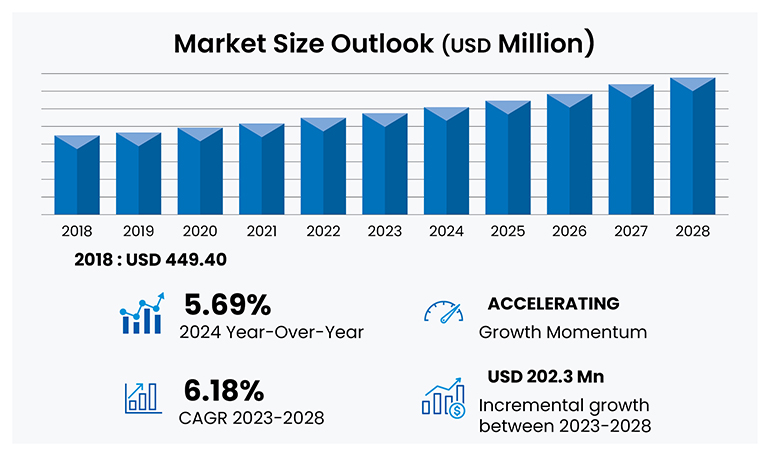
Three forces are reshaping the outsourcing landscape in 2026.
- AI-enhanced accuracy: Leading vendors now combine OCR with machine learning models that learn from correction patterns. Accuracy rates continue climbing toward 99.9% on structured documents.
- Hybrid automation models: The future is not fully automated or fully manual. The highest-performing vendors blend AI-powered initial capture with human validation for edge cases.
- Compliance complexity: India’s DPDP Act and evolving global data protection regulations are raising the compliance bar. Vendors with strong governance frameworks will capture market share from unstructured providers.
Companies that choose outsourcing partners based on accuracy, security, and technological capability – rather than lowest price alone – consistently achieve better ROI on their data operations.
Making Your Decision
Selecting a data entry outsourcing partner is ultimately about matching your specific requirements with the right vendor’s strengths. Enterprise clients with massive volumes need WNS or Infosys BPM. Growth-stage companies benefit from Acelerar’s speed or Trupp Global’s SMB focus.
The companies on this list represent different strengths across the market spectrum. Use the comparison matrix, run pilot projects, and verify claims independently.
Your data quality directly determines your business decision quality. Invest the time to choose the right partner – the ROI compounds over every project.
Need help evaluating your specific data entry outsourcing requirements?
Our team has benchmarked data entry operations across 6,500+ projects spanning 25 years.
Contact our data entry specialists »Frequently Asked Questions
Standard data entry outsourcing in India costs $4–$15 per hour in 2026. Per-record pricing ranges from $0.02 to $0.20 depending on complexity. Monthly dedicated FTE arrangements start at $650/month. Your actual cost depends on data complexity, volume, accuracy requirements, and turnaround speed.
Yes, when you select vendors with verified security certifications. Look for ISO 27001 as a minimum standard. SOC 2 Type II provides stronger assurance. Require NDAs, encrypted data transfer, and clear data destruction policies. India’s DPDP Act entering full enforcement in 2026 adds another layer of regulatory protection.
Outsourcing wins on flexibility, cost, and speed of deployment. In-house teams offer better control for highly sensitive data. The optimal choice depends on your volume consistency, data sensitivity, and budget constraints. Many organizations use a hybrid model – outsourcing high-volume routine work while keeping strategic data operations internal.
Top-tier providers guarantee 99% to 99.9% accuracy on structured data entry. Verify accuracy claims through pilot projects before committing. Ask vendors how they measure accuracy – field-level accuracy is more meaningful than record-level accuracy for complex data entry tasks.
Run competitive pilot projects with your actual data. Measure accuracy rate, turnaround time, communication responsiveness, and error pattern consistency. Check third-party reviews on Clutch, G2, and GoodFirms. Verify certifications directly with issuing bodies. Request references from clients in your industry.
Standard turnaround for a 50,000-record project ranges from 5 to 15 business days depending on complexity. Rush processing is available from most vendors at a 20–50% premium. Turnaround accelerates with automation-enhanced vendors who handle structured data entry 30–40% faster than purely manual operations.



Snehal Joshi , Head of Business Process Management at HabileData, leads a 500-member team of data professionals, having successfully delivered 500+ projects across B2B data aggregation, real estate, ecommerce, and manufacturing. His expertise spans data hygiene strategy, workflow automation, database management, and process optimization - making him a trusted voice on data quality and operational excellence for enterprises worldwide. 🔗Connect with Snehal on LinkedIn